
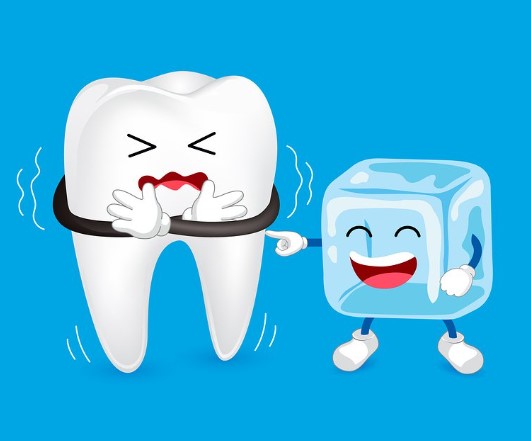
Understanding tooth sensitivity is essential for maintaining oral health and preventing discomfort. When you experience a sudden, sharp pain while consuming hot or cold foods and beverages, it could be an indication of tooth sensitivity. This condition is often caused by exposed dentin, a layer beneath the enamel, which can happen due to receding gums or enamel erosion. By identifying the root causes and triggers of tooth sensitivity, you can take proactive steps to alleviate the discomfort and protect your teeth. From adopting proper brushing techniques to using desensitizing toothpaste, this article will guide you through effective strategies to deal with tooth sensitivity and enhance your dental well-being.
Understanding the vital role of dentin and enamel is fundamental in comprehending tooth sensitivity. When you experience discomfort due to sensitivity, it is essential to grasp the intricate interplay between these two crucial components of your teeth. Dentin, a sensitive layer beneath the protective enamel, contains microscopic tubules that connect to nerve endings, making it susceptible to external stimuli. Meanwhile, enamel acts as a protective shield for dentin and the underlying pulp, safeguarding them from damage caused by hot, cold, sweet, or acidic substances. The synergy between dentin and enamel influences your teeth's sensitivity, and by delving into this intricate relationship, you can make informed decisions to alleviate tooth sensitivity and maintain excellent oral health.
When dealing with tooth sensitivity, seeking professional dental care is crucial for comprehensive assessment and tailored treatment plans. Visiting a trusted dental practice like Steckbeck Family Dentistry can provide valuable insights into your oral health and sensitivity concerns. Their experienced team can identify potential issues, such as gum recession or enamel erosion, and recommend suitable solutions. Moreover, in collaboration with reputable dental practitioners, you can implement a combination of at-home remedies and specialized products to manage tooth sensitivity effectively. By embracing these approaches and understanding the underlying causes, you can take proactive measures to alleviate discomfort and improve your overall dental well-being.
Adopting proper brushing techniques is paramount to maintaining optimal oral health and preventing tooth sensitivity. When it comes to selecting a toothbrush, opt for one with soft bristles and a small head, ensuring it can reach all areas of your mouth effectively. Building a habit of brushing your teeth at least twice daily, particularly after meals, helps remove plaque and reduce the risk of sensitivity. Incorporate fluoride toothpaste into your routine, as fluoride strengthens enamel and offers protection against sensitivity triggers. Be mindful of brushing gently and using circular motions to avoid enamel erosion and gum recession. Don't neglect your tongue, as gently brushing it eliminates bacteria and keeps your breath fresh. Regularly replace your toothbrush every 3 to 4 months or when the bristles appear worn. Furthermore, flossing should not be overlooked, as it cleans between teeth and removes plaque. Consider using fluoride mouthwash for an extra layer of protection, and ensure you schedule regular dental check-ups to receive professional cleanings and personalized guidance for your oral care journey.
Flossing plays a pivotal role in achieving and maintaining optimal oral health. This simple yet essential practice goes beyond brushing to target the areas between teeth, where a toothbrush cannot reach. By dislodging food particles and plaque buildup, flossing helps prevent gum disease, cavities, and tooth sensitivity. Embracing this habit can lead to a brighter smile and a healthier mouth, reducing the risk of dental issues and enhancing overall well-being. Incorporating flossing into your daily oral care routine demonstrates your commitment to long-term dental hygiene, ensuring that your teeth and gums stay in top shape. Remember, a little effort invested in flossing can yield significant returns for your oral health and boost your confidence in every smile you share.
When it comes to protecting your precious smile, avoiding acidic foods and drinks is of utmost importance. Acidic substances can wreak havoc on your tooth enamel, leading to erosion and heightened tooth sensitivity. As you embark on a journey to preserve your dental health, it's essential to be mindful of your dietary choices. Limiting the consumption of acidic foods like citrus fruits, tomatoes, and certain vinegars can help safeguard your teeth from potential damage. Additionally, reducing the intake of acidic beverages such as soda, fruit juices, and energy drinks can significantly contribute to maintaining the strength and integrity of your enamel. By adopting these preventive measures and making smarter dietary decisions, you can ensure a radiant smile that exudes confidence and vibrant oral health.
How to Deal with Tooth Sensitivity |
|---|
|
Tooth sensitivity can be managed effectively through various strategies and practices. Below are some key tips to alleviate discomfort and promote dental well-being:
Remember, every individual's sensitivity may vary, and it's essential to consult with your dentist to determine the most suitable approach for your specific needs. Note: If you experience persistent or severe tooth sensitivity, seek professional dental advice to rule out any underlying dental issues. |
Discover relief from tooth sensitivity with the effective combination of desensitizing toothpaste and mouthwash. These specialized dental products are designed to target and alleviate sensitivity discomfort, providing you with the freedom to enjoy hot, cold, and sweet treats without hesitation. Incorporating desensitizing toothpaste into your daily oral care routine can gradually reduce sensitivity, thanks to its unique formulation that blocks nerve endings in exposed dentin. Pairing it with desensitizing mouthwash enhances the protective effects, creating a shield against external triggers that cause discomfort. With the power of these advanced solutions at your disposal, you can embrace a life free from tooth sensitivity and savor the joys of everyday eating and drinking.
Prioritize your dental well-being with the assurance of regular dental check-ups and cleanings. These crucial appointments serve as the foundation for a healthy and radiant smile, offering professional insights into your oral health. During check-ups, skilled dentists conduct comprehensive examinations, detecting early signs of tooth sensitivity, cavities, and gum issues. Pairing check-ups with regular cleanings ensures the removal of plaque buildup and tartar, mitigating the risk of dental problems and sensitivity. Embrace these essential dental practices to stay one step ahead in safeguarding your teeth and gums. With the guidance of experienced dental professionals, you can confidently maintain a dazzling smile and preserve your dental wellness for years to come.
Preserve your dental health by addressing the persistent issue of teeth grinding, also known as bruxism. This involuntary habit can lead to significant dental complications, including tooth sensitivity, enamel erosion, and jaw pain. By understanding the underlying causes of bruxism and implementing effective management strategies, you can safeguard your teeth and gums from unnecessary wear and tear. Seeking professional dental guidance is vital in identifying signs of bruxism and exploring personalized treatment options. From utilizing custom-made mouthguards to stress management techniques, there are various approaches to tackle bruxism and promote long-term dental wellness. Embrace these proactive measures to alleviate the effects of teeth grinding and maintain a healthy, radiant smile for years to come.
Unlock the potential of strong and resilient teeth by considering the benefits of fluoride treatments. These specialized treatments offer a powerful shield against tooth sensitivity and cavities, promoting lasting dental health. Fluoride works by remineralizing enamel, strengthening it against external factors that cause sensitivity and decay. By incorporating fluoride treatments into your oral care routine, you can enjoy a robust and radiant smile. With the guidance of dental professionals, you can determine the most suitable fluoride treatment plan tailored to your unique dental needs. Embrace the power of fluoride to fortify your teeth and preserve your dental well-being for years to come.
Understanding when to seek professional help for dental sensitivity is vital in ensuring your oral health remains in optimal condition. While mild and occasional sensitivity may be manageable with at-home remedies, persistent or severe sensitivity requires the expertise of dental professionals. If you experience sharp or lingering pain, sensitivity to hot or cold, or notice changes in your teeth or gums, it's crucial to schedule a dental appointment promptly. Skilled dentists can conduct thorough assessments, identify potential underlying issues, and recommend appropriate treatment plans to address sensitivity concerns. Don't hesitate to seek professional help to safeguard your teeth and gums, ensuring a healthy and pain-free smile for years to come.
Tooth sensitivity is often caused by exposed dentin, which can occur due to gum recession or enamel erosion.
Using desensitizing toothpaste and mouthwash, adopting proper brushing techniques, and avoiding acidic foods and drinks can help manage tooth sensitivity at home.
If you experience persistent or severe tooth sensitivity, it's advisable to schedule a dental appointment to identify potential underlying issues and receive professional guidance.
Yes, teeth grinding, also known as bruxism, can lead to tooth sensitivity and other dental problems. Using a mouthguard can help protect teeth from grinding-related sensitivity.